Agriculture and horticulture have always been an important pillar of Western monastic culture. The cultivation of the often extensive estates was the priority of physical labour in the monastery and ensured monastic self-sufficiency. Grain was cultivated, vegetables were grown and wine-growing was prepared on the monastic estates. Through breeding, fruit and vegetable varieties were adapted to the climatic conditions, and the monks and nuns made a significant contribution to the development of herbal medicine and healing as a scientific discipline.
Medieval monastery gardens, too, were initially kitchen gardens; it was not until the High Middle Ages that they also became places of rest and prayer, and the first ornamental or pleasure gardens were created. From the Renaissance onwards, parks dedicated to the art of gardening began to appear outside the clerical sphere.
Thus, monasteries became pioneers of agriculture, centres of development for society, and later landscape architects. They passed on their knowledge to the population, farmers’ sons apprenticed with them, and far-sighted sovereigns founded more monasteries in underdeveloped areas, endowing them with large estates.
Monastic structures in rural areas continue to shape the cultural landscape and commercial structures in many places to this day. As varied as the development of the locations and their function are today, so too is the way in which this heritage is being reappraised, continued and communicated: in order to fulfil the mission of preserving creation, monastic agriculture in many places has been converted to organic farming with sustainable food production and now not only secures the livelihood of the religious order, but also supplies many people in the surrounding area. Elsewhere, the garden is the focus of the tourist “attraction monastery” or serves as a place of simple relaxation in a historical setting. Often, the theme can only be communicated on the basis of historical sources, a fact that at the same time allows for a new, free engagement with the subject area.
Symposium KLOSTER.LAND.WIRTSCHAFT
The topics of monastery gardens, monastic agriculture and the economy in general are aspects of monastic culture which, on the one hand, exert a fascination due to their distance from everyday life – thus becoming a subject or place of longing –, but on the other hand they also have a direct connection to our own lives and economic activities and can thus serve as examples.
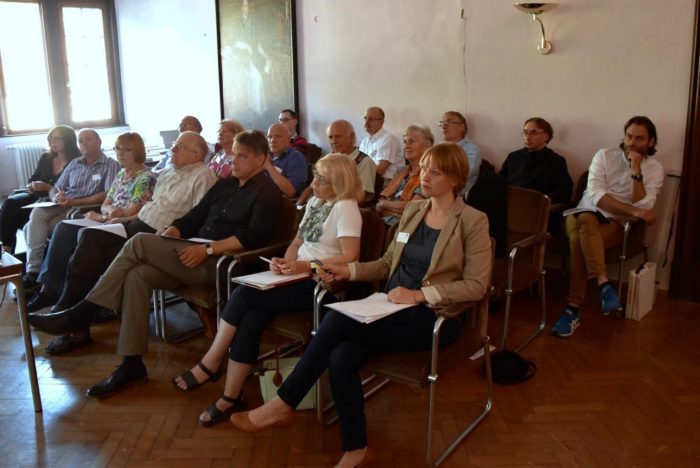
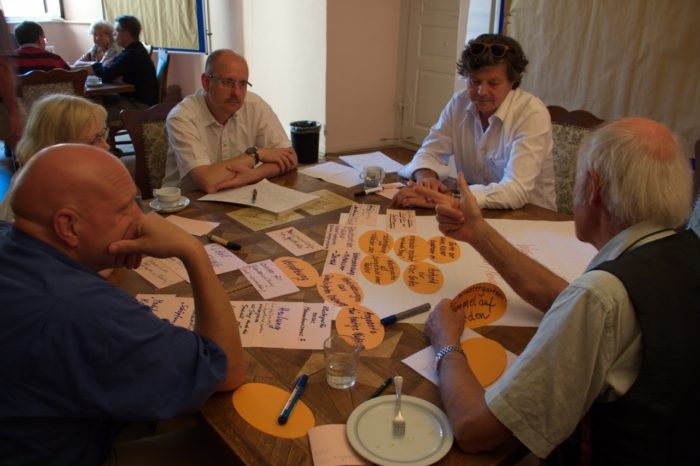
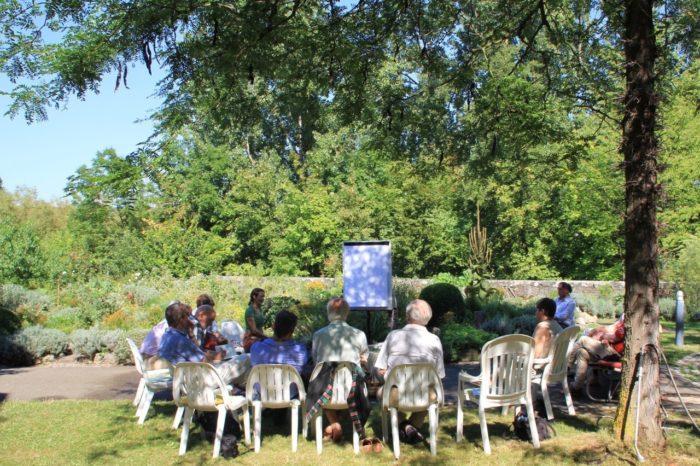
Funding from the Landwirtschaftliche Rentenbank made it possible for the KLOSTERLAND association to explore the topic of KLOSTER.LAND.WIRTSCHAFT (monastic agriculture) and organise a symposium of the same name on 9 November 2015 at Lehnin Abbey. The aim of the symposium was to discuss what constitutes monastery gardens and monastic agriculture, how they present themselves today in light of their history, and what demands religious orders, visitors and society in general place on them today and in the future; in other words, what social function they can perform.
During the symposium’s concluding panel discussion, it became clear that it would be worthwhile to continue promoting communication between the various participants. Brother Felix Weckenmann OSB said in this sense:
“The Rule of St Benedict states that we should sell things more cheaply in the monasteries than outside the monastery walls, for the glory of God and in order to avoid the danger of profiteering and enrichment. Today, the opposite is true, especially in the food sector: we are rendering our society and our competitors a favour when we raise prices, because the problem is not high prices, but low prices. If someone has the courage to calculate honestly, that is certainly in the spirit of the Rule.”
Today, the same question that the Cistercians asked themselves in the Middle Ages is more relevant than ever: is ‘more’ always the right decision, or does continuous growth eventually lead to significant problems? Then as now, we can observe that ‘more’ is mostly also associated with the opposite, a loss of moderation and ethics. Not only religious orders have meanwhile recognised that moderate and sustainable economy is the more laborious but correct way to ‘preserve creation’ and that at the same time this fulfils the desire to be as self-sufficient as possible and ‘live from the work of one’s own hands’. Therefore they have set out on the path to ecological agriculture. All over the world, it is now recognised that growing demand can only be met in future if the fertility of the soil is preserved. Here, products from monasteries, which customers expect to be meaningful and made in harmony with creation, can raise awareness and act as ambassadors, demonstrating on a small scale what needs to be considered on a large scale.
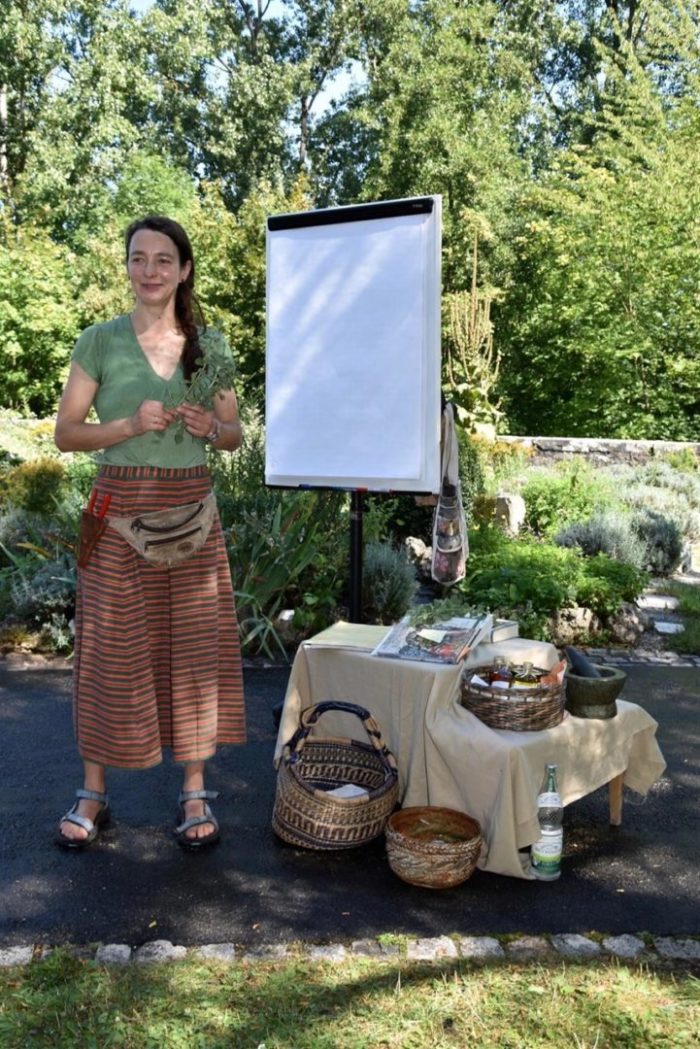
 Agriculture and horticulture have always been part of the daily work of monks and nuns. The way monastery gardens and agriculture have evolved over the centuries and what social value they can offer today and in the future is discussed by experts at a symposium organised by KLOSTERLAND.