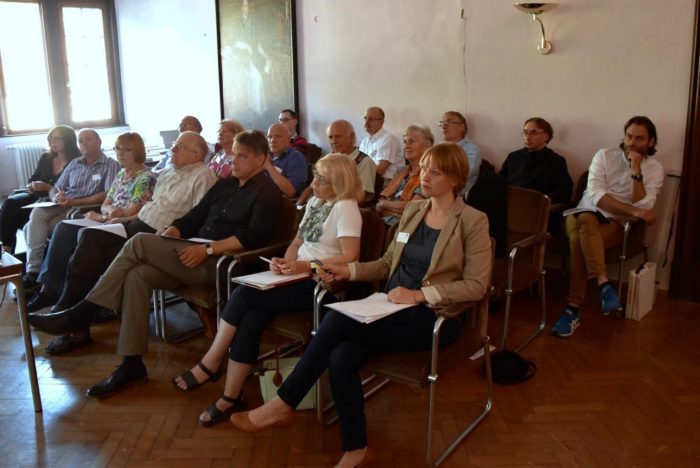
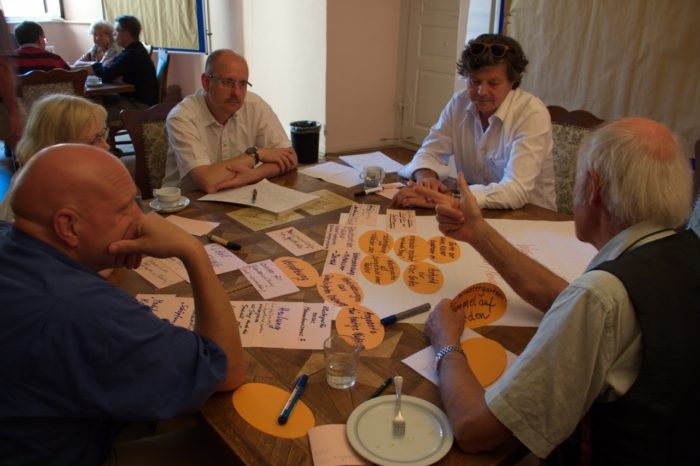
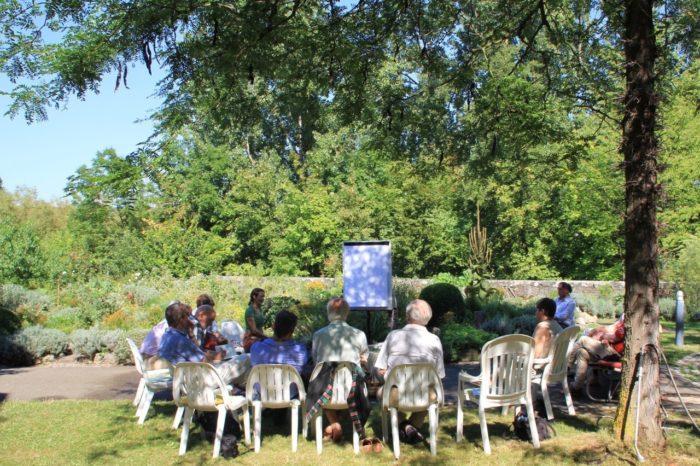
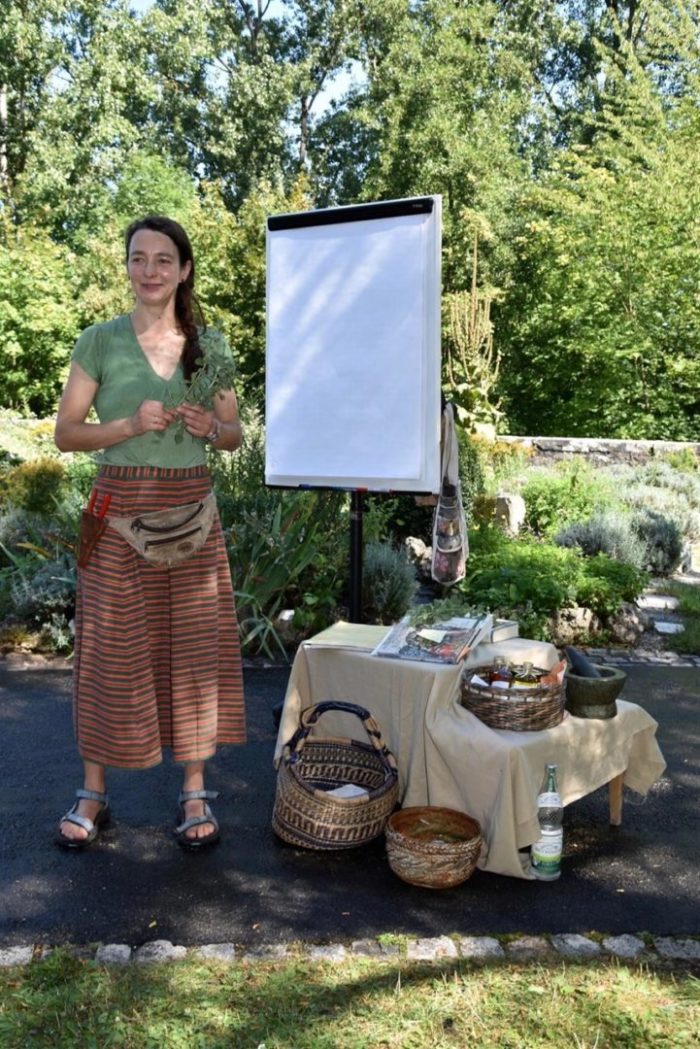
Finanziell unterstützt durch die Landwirtschaftliche Rentenbank konnte sich die kleine Runde aus Ordensleuten und Klosterverwaltern, Touristikern und Kulturmanagern sowie Historikern, Landschaftsarchitekten und Denkmalpflegern intensiv ihren Fragen rund um das Thema Klostergärten widmen und gemeinsam darüber nachdenken, wie ein zeitgemäßer Klostergarten aussieht, was ihn ausmacht und welche Funktion er hat.
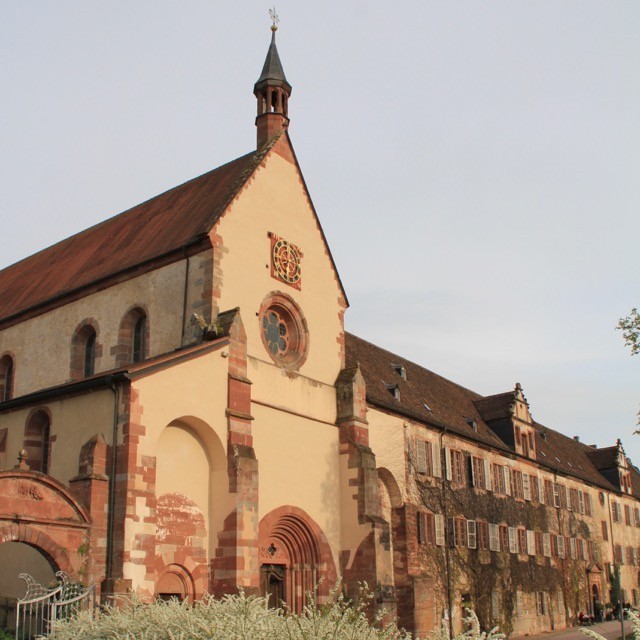
With its three representative gardens – the orangery with a herbary, built in 1775, the Saalgarten and the baroque abbey garden – and the extensive renovation project of the abbey garden, Bronnbach Abbey offered more than just the right atmosphere. Below the vineyard wall, the participants were able to erect and plant a ‘lawn bench’ according to Albertus Magnus, a co-project with and prepared by the landscape architects responsible for the renovation, Johann Senner, and the monument preservation department. The famous Dominican friar and theologian of the founding period described this bench in the 12th century as follows: